
Aliso Viejo, California · Orange County
Excel Consulting Services in Aliso Viejo, CA
When what you sell is hours, two numbers decide the year and most firms track neither cleanly. How much of a paid day ended up billable, and how much of what was billed actually got collected at the rate it was billed at. They are separate leaks with separate causes. JAAD Group provides Excel consulting in Aliso Viejo for firms that need both measured.
- Utilization and realization
- Work in progress
- Write-off analysis
- Scope creep in hours
Two leaks, not one
The Gap Between an Hour Worked and an Hour Collected
A firm selling time loses money in two quite different places. Hours that were paid for and never became billable, and billable hours that were written down or written off before the cash arrived. Both reduce the same bottom line and they have nothing else in common, which is why a single revenue figure cannot diagnose either.
Utilization is the first. It asks what proportion of available paid time became chargeable work, and the honest version includes everything — admin, pitching, training, the hour lost to a system that was down. Firms that measure it loosely tend to measure it flatteringly, and the gap between the loose number and the real one is usually several percentage points of the year.
Realization is the second and is frequently larger. It asks what share of what you billed was actually collected at the rate intended, after discounts, write-downs at invoicing and write-offs afterward. A firm with strong utilization and weak realization is busy and underpaid, which feels exactly like being busy and well paid until the year closes.
Behind both sits work in progress, which is the most misunderstood figure on a professional firm's books: time already spent and not yet invoiced, carried as an asset while being, in cash terms, a hole.
What the work is really about
What Excel Consulting in Aliso Viejo Usually Involves
Utilization measured honestly, including the awkward hours
The first build is an honest utilization figure, and the word honest is doing real work there. A flattering version counts only the obviously non-chargeable time and ignores pitching, internal meetings, training, administration and the hours absorbed into a matter that was already over budget. The useful version accounts for all available paid time and reports what proportion became chargeable work, by person and by period. Firms seeing it properly for the first time generally find the figure several points below what they had assumed, and the composition of the gap is more actionable than the gap itself — it points to a specific activity rather than to a vague need to work harder. That is a short piece of Excel reporting on data the time system already holds.
Realization is a separate and usually larger leak
Second, realization needs separating out entirely, because it has different causes and different remedies. Between an hour recorded and cash received there are several points of loss: a rate discounted at engagement, time written down before the invoice went out, an invoice reduced after a conversation, and an amount never collected. Reporting those as separate stages rather than as one net figure shows where the leak actually is, and the answer is frequently earlier in the process than anybody expects — at engagement rather than at collection. A firm that knows that can fix a pricing conversation instead of chasing payment harder.
Work in progress is spent money, not earned money
Third, work in progress deserves to be understood as spent money. Time recorded and not yet billed sits as an asset, and in cash terms it is the opposite: salary has gone out and nothing has come in. Ageing it — how long unbilled time has been sitting, by matter and by person — turns a single balance into a list of specific decisions, because old unbilled time is considerably less likely to be collected in full than recent time. Most firms bill on a cycle and never age the underlying time, which is why a quarter can close with a large balance nobody has examined. This is straightforward financial modeling applied to the firm's own ledger.
A write-off is a pricing decision taken too late
Fourth, a write-off should be read as a pricing decision taken too late. When time is written off at invoicing, the real error happened earlier — at scoping, at the point the matter went over budget, or at the moment nobody told the client. Reporting write-offs by cause rather than as a total, and tracing each back to the stage it originated in, changes the conversation from one about generosity to one about process. It also makes it possible to see which kinds of work systematically overrun, which is a scoping question rather than a billing one.
Scope creep appears in hours long before invoices
Fifth, scope creep is visible in hours well before it is visible in money, and that lead time is the whole value of tracking it. A matter running past its expected hours at the thirty percent mark is information; the same matter discovered at invoicing is a write-off. Comparing hours recorded against hours expected, as the work proceeds rather than afterward, is a small piece of structure that moves the decision into the window where something can still be done about it. Keeping that comparison current from the time system is a modest piece of Excel automation.
The gap is structure rather than software
None of this requires buying anything, which is worth saying because practice management suites are sold hard into firms this size and many already own one that nobody has configured to produce these views. The time entries, the invoices and the collections all exist. What is missing is a structure that separates the stages of loss and ages the unbilled time. That is days of work, and an hour of Excel expert help will usually establish how much of it you need.
What gets built
Excel Consulting Services in Aliso Viejo, CA — The Six Areas
Six kinds of work. For a firm selling hours, the first two account for most of what gets commissioned.
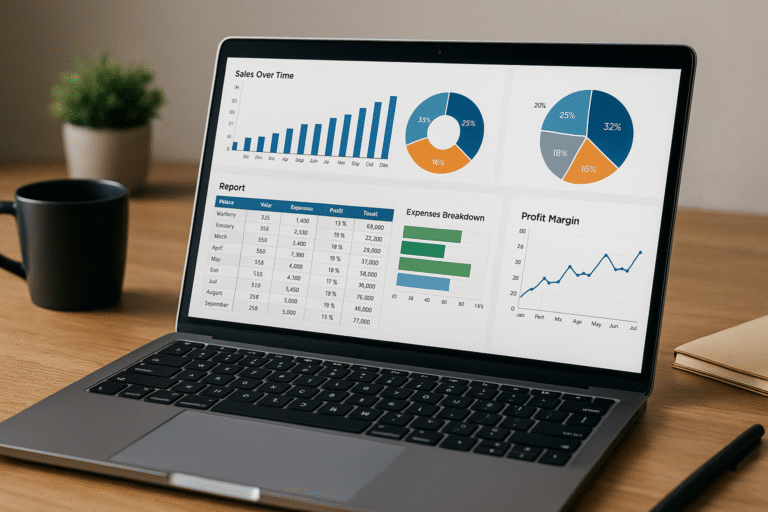
Reporting
Utilization and Realization, Separately
What proportion of paid time became chargeable, and what share of billed work was collected at rate. Two numbers, two causes, reported by person and by period.
- Honest utilization counting all available paid time
- Realization by stage rather than as one net figure
- Live connections to the time and billing systems
- Exception flags when either measure moves
Related: Excel reporting
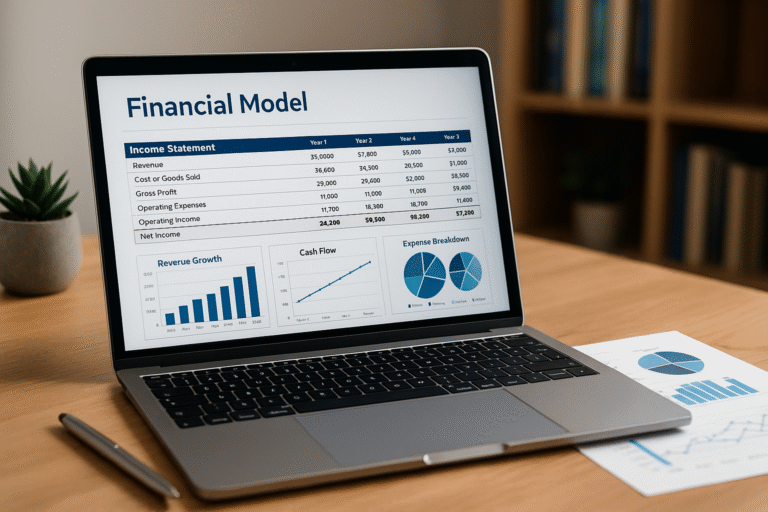
Modeling
Work in Progress, Aged
Unbilled time by how long it has been sitting, matter by matter. Old unbilled time collects at a lower rate than recent time, which turns a balance into a list of decisions.
- Unbilled time aged by matter and by person
- Collection likelihood by age band
- Scenario switching across billing cycles
- Assumptions in one visible block, never inside formulas
Related: Excel financial modeling

Structure
Write-Offs Traced to Their Cause
Discounted at engagement, written down before invoicing, reduced after a conversation, or never collected. Separating those four changes which process gets fixed.
- Four stages of loss reported separately
- Overrun by work type made visible
- Formula repair for references that stopped pointing anywhere
- Performance — volatile formulas replaced with tables and pivots
Related: Excel consulting
Automation
Scope Creep Flagged While It Matters
Hours recorded against hours expected, refreshed as work proceeds. A matter overrunning at thirty percent is information; discovered at invoicing it is a write-off.
- Hours against estimate refreshed continuously
- Early overrun alerts while there is still a conversation to have
- Scheduled imports from time and billing exports
- Import cleanup for exports that shift format between runs
Related: Excel automation

Code
VBA to Rebuild the Pack Each Period
A full set of utilization, realization and ageing views by person, team and matter is slow to assemble by hand. As a routine it runs in seconds, every period.
- Whole pack rebuilt across people, teams and matters
- Deterministic output regardless of who ran it
- Validated entry where estimates are typed rather than imported
- Legacy macro repair where whoever wrote it has gone
Related: VBA and macro development

Support
Expert Help and Team Training
Sometimes there is no project, only a figure that has to be right before a partners' meeting. One call, your own file on screen, and the reasoning written down.
- Same-week attention when a meeting will not wait
- Training on your own file rather than on sample data
- Written handover so the pack survives a change of staff
- Retained hours where there is no in-house Excel depth
Related: Excel expert help and MS Office training
Where it starts
Eight Conversations That Begin an Aliso Viejo Excel Project
Openings we hear from firms selling hours, and what the answer usually turns out to be.
"Everybody is busy and the year was ordinary."
Classic strong utilization with weak realization. The two have to be reported separately before anybody can say which one to fix.
"Our utilization figure looks suspiciously good."
It usually is, because the awkward hours were left out. Counting all available paid time typically moves it several points, and the composition of the gap is the useful part.
"Write-offs happen at invoicing and nobody can explain them."
Because the decision was actually taken earlier. Traced back to engagement, overrun or a missed conversation, write-offs stop looking like generosity.
"Our work in progress balance is large and nobody looks at it."
It is spent money carried as an asset. Aged by matter it becomes a list of specific decisions rather than one number at a quarter end.
"Some kinds of work always overrun."
Very likely, and that is a scoping problem rather than a billing one. Reporting overrun by work type is what makes it visible enough to price differently.
"We find out a matter went over at the invoice."
Too late to do anything but absorb it. Hours against estimate, refreshed as the work goes, moves that discovery into the window where a conversation is still possible.
"We own a practice management system and still use spreadsheets."
Extremely common. The system holds the data and was never configured to produce these views, which is a reporting job rather than a replacement.
"The workbook takes a minute to recalculate."
Usually volatile functions across enormous ranges, or an array formula doing a pivot table's job. Rebuilt properly it is instant again with nothing lost.
A quick check
Signs a Fee-Earning Firm Has Outgrown Its Reporting
Nobody plans this work. It follows a busy year with a disappointing result, or a write-off nobody could account for. Earlier signals look like this:
- Utilization and realization are discussed as one thing
- The utilization figure excludes pitching, admin and training
- Write-offs are reported as a total rather than by cause
- Work in progress is never aged, only totalled
- Overrun by work type has never been produced
- Hours against estimate is checked at invoicing, not during
- A practice management system exists and nobody configured these views
- Collection gets chased while pricing stays unexamined
What the two leaks cost
The realization leak is usually the larger and the quieter. A few percentage points lost between the rate agreed and the cash collected, across a full year of fee earners, is a substantial figure that never appears as a line anywhere — it simply shows up as a result that does not match how hard the year felt.
The late discovery compounds it. A matter identified as overrunning at a third of the way through is a conversation; the same matter identified at invoicing is a write-off, and the difference between those two outcomes is entirely a reporting lag.
What happens before a quote
We look at how time and billing are actually recorded alongside the file — what gets entered, when, what the system holds and which views were ever built from it. Most firms already own the data and have never had it shaped this way.
Frequently the finding is that separating utilization from realization answers the whole question, and that is the recommendation. Where the right answer is configuring the system you already have rather than building a spreadsheet, you will be told so. That first conversation costs nothing.
Work delivered
Three Builds and the Results They Produced
Real projects for real organizations, with each figure as the client measured it afterward.

66% better
accuracy
A budget tool across thirty companies
- The situation
- Thirty businesses under one management company, each budgeted separately and consolidated by hand, with several people needing different levels of access to a single file.
- What we built
- A template with layered permissions, VBA lifting each approved budget into a master sheet, payroll, tax and benefits adjustable at the front, and totals loading into the accounting system.
- What changed
- Double keying left the process entirely. Accuracy rose 66%, the build cycle ran more than ten times faster, and mid-year reforecasting became practical.

40 hours
a month back
Reporting that had been manual
- The situation
- Management reporting and submissions to outside funding institutions were assembled by hand, with one refresh running as long as three days.
- What we built
- A program gathering over fifty sources into a single document in roughly five minutes, each source checkable in advance and drafts produced for comparison.
- What changed
- A full day's task now completes in minutes, handing back forty person-hours or more each month from work that produced nothing new.

9 minutes
to 30 seconds
A file that had become unusable
- The situation
- Locating one row among twelve hundred could take nine minutes, caused by array formulas layered on each other and years of code added without review.
- What we built
- The data rehoused on native Excel tables, pivots and slicers replacing the lookup logic, and the surplus array formulas and VBA taken out rather than tolerated.
- What changed
- The same row on the same machine in thirty seconds. The arrangement had been the limit throughout, not the hardware.
Who this applies to
Industries We Serve in Aliso Viejo
The six areas JAAD Group covers, described as they appear in an office and professional-services city.

Finance and Accounting
Cash flow management, P&L tracking, budget analysis. Firms whose result depends on the gap between an hour worked and an hour collected.

Healthcare & Insurance
Patient record systems, policy tracking, compliance reports. Practices billing time and sessions against outside payers and schedules.

Real Estate & Construction
Investment models, cost forecasting, expense tracking. Consultancies and project offices working to fixed fees against variable hours.

Education & Training
Enrollment reports, course progress dashboards, grant tracking. Providers delivering chargeable sessions with their own utilization problem.

Retail and E-commerce
Inventory monitoring, sales tracking, profit calculations. Service businesses attached to product lines and needing both measured.

Manufacturing & Logistics
Supply chain analysis, production scheduling, vendor performance. Technical services billed by the hour against jobs that overrun.
If your industry relies on Excel for financial analysis, data tracking or reporting, we can optimize and automate your workflows to save time and improve performance.

How it runs
Working With an Excel Consultant in Aliso Viejo
Five stages. The opening one carries no charge, and a fair number finish there with advice rather than a quote.
Say which number you distrust
Utilization, realization, the work in progress balance, or all three. Sending exports from the time and billing systems makes the call sharper, though it is not required.
We look at what the system already holds
What gets entered, when, and which views were ever built from it. Most firms own the data and have never had it shaped this way.
Scope and figure, documented
Both settled before construction. The exports have been read by then, so vagueness about either would be a decision rather than a necessity.
Built in the open
Each working version arrives as it is finished rather than everything at the end, which is what makes an early change inexpensive.
Handed over complete
The workbooks, any code behind them, a written account of how each measure is defined, and time with whoever will run the pack.
Who does the work
Jeff Mattus
Owner & President, JAAD Group
JAAD Group is Jeff Mattus alone. The practice rests on more than twenty-five years of building Excel and Office systems, approached from Computer Science rather than from accountancy. Where a single net figure has to be separated into the stages that produced it, that is the useful background.
The projects have reached into finance, healthcare, technology and property. The spread is why an opening call generally produces a diagnosis rather than a discovery phase: a realization leak has close relatives in margin analysis across industries that bill no hours at all.
Delivery is remote, which is how an Orange County firm works with a practice based in Nevada without that being a factor. One person answers, prices the job and then builds it.
Organizations we have built for
Trusted With Business-Critical Spreadsheets














Why a specialist
Why Aliso Viejo Firms Use a Dedicated Excel Consultant
One discipline only
Excel, VBA and Office automation are the whole practice, which is why an opening read is usually right and the figure close to the final one.
Configure before you replace
Most firms already own a system holding this data. Where the answer is configuring it rather than building, that is what you will hear.
Two leaks, measured separately
Utilization and realization have different causes and different remedies, and one combined figure diagnoses neither.
Built for a lead time
A matter overrunning at a third of the way through can still be discussed. The same matter at invoicing cannot.
Figures the clients measured
Each result quoted above came from the organization running the tool, and all three builds are described at length earlier.
Remote, so it starts at once
Everything happens over a shared screen, so a figure needed before a partners' meeting gets attention the same day.
Questions
Frequently Asked Questions
What does Excel consulting in Aliso Viejo usually involve?
Most often it is separating utilization from realization, because they are different leaks with different remedies and almost every firm reports them as one thing.
After that it is ageing work in progress, tracing write-offs back to the stage they originated in, and comparing hours against estimate while a matter is still running.
What makes a utilization figure dishonest?
Leaving out the awkward hours. Pitching, internal meetings, training, administration and time absorbed into a matter already over budget all consume paid capacity.
Counting all available paid time usually moves the figure several points, and the composition of that gap is more useful than the number, because it points at a specific activity.
What exactly is realization and why does it matter more?
It is the share of what you billed that was collected at the rate intended, after discounts at engagement, write-downs before invoicing, reductions after a conversation and amounts never collected.
It matters more because it is usually the larger leak and the quieter one. A firm can be fully utilized and still have a disappointing year entirely through realization.
Why age work in progress?
Because unbilled time is spent money carried as an asset, and old unbilled time collects at a materially lower rate than recent time.
Aged by matter and by person, a single balance becomes a list of specific decisions rather than a number somebody notices at a quarter end.
Our write-offs are unexplained. Where should we look?
Earlier than the invoice. A write-off at billing almost always traces back to scoping, to the point the matter went over budget, or to a conversation with the client that never happened.
Reported by cause rather than as a total, write-offs stop being about generosity and become a process question, which is a far more tractable one.
Can scope creep be caught before invoicing?
Yes, and that lead time is the whole point. Hours recorded against hours expected, refreshed as work proceeds, flags an overrun while a conversation is still possible.
Discovered at invoicing the same overrun is simply a write-off, and the difference between those two outcomes is a reporting lag rather than anything about the work.
What will this cost?
Scope decides it, which is why the exports get read before a figure is named and why that reading is free. A utilization and realization pack is small and fixed-price.
Either way the deliverable and its price are both recorded before construction begins.
Do you come to the office?
No. Everything happens over a shared screen, which is identical at any distance and means a figure needed this week is looked at this week.
It also keeps travel off the invoice, which on a short engagement is a real share of the total.
We already own a practice management system. Why would we need this?
Frequently you do not, and that is said plainly. Many of these views can be configured in a system a firm already pays for, and if that is the right answer you will hear it.
What usually happens in practice is that the system holds the data and nobody has ever defined these measures in it, which is a reporting job either way.
How long does it take?
A utilization and realization pack is often a few days once exports are available. Adding aged work in progress, write-off causes and live overrun flags usually runs one to two weeks.
However large the job, the figure goes on paper before construction rather than surfacing partway through.
What do we keep at the end?
The workbooks, any code behind them, a written account of exactly how each measure is defined, and time with whoever will run the pack each period.
Nothing is tied to this practice and no recurring charge keeps it alive. Later help is available and never part of the arrangement.
Are those six sectors the limit?
No. They describe where enquiries have tended to come from rather than any rule, and what settles it is the shape of the problem.
A utilization measure, a realization breakdown, an ageing analysis and a clinic rota are far more alike underneath than they appear.
Also serving
Excel Consulting Across California and Nevada
The work is delivered over a shared screen, so an Orange County firm is served exactly as a Nevada one is. Other places with their own pages:
Straight to a service: Excel reporting for utilization and realization, financial modeling for aged work in progress, Excel consulting for write-off causes, Excel automation for live overrun flags, and VBA and macro development or Excel expert help for the rest.
Aliso Viejo is the hub here — schematic, not to scale
Send Us the Workbook
Tell us which number you distrust, or attach exports from the time and billing systems. What comes back is a straight read on where the leak is and what closing it would take.
949-464-7489JAAD Group Excel Consulting · 2937 Hawksdale Dr, Las Vegas, NV 89134
Excel consulting services in Aliso Viejo, CA and across California, delivered remotely